

Research Journal.
In-depth analysis of peptide science, mechanisms of action, and the latest in compound research.
⚠ For research purposes only — not medical advice

BPC-157: The Gastric Peptide Rewriting Tissue Repair Science
Originally isolated from human gastric juice, this 15-amino-acid pentadecapeptide has become a focal point for researchers investigating tissue repair pathways, angiogenesis, and inflammatory signaling.
GHK-Cu: Four Decades of Copper Peptide Science and What Researchers Are Finding
First isolated from human plasma in the 1970s, this copper-binding tripeptide has accumulated over four decades of research across wound healing, collagen synthesis, and gene expression modulation.
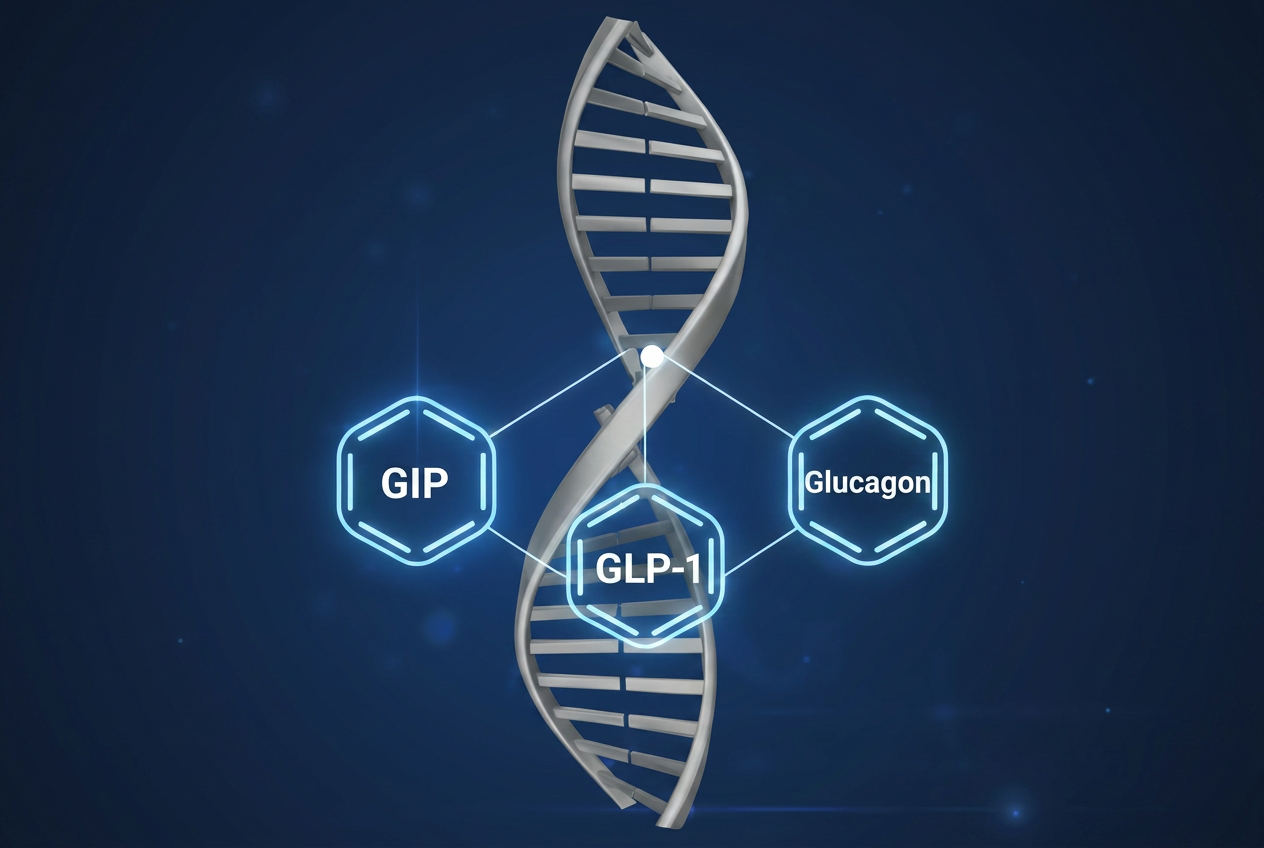
Triple Agonism: The Science Behind GLP-1, GIP, and Glucagon Receptor Research
Triple-agonist peptides — compounds designed to simultaneously activate GLP-1, GIP, and glucagon receptors — have emerged as a subject of intense scientific interest in metabolic research.

Wolverine Blend: Faster Recovery and Better Mobility
Why researchers pair BPC-157 and TB-500 — the targeted and systemic peptides commonly explored together for tissue repair, mobility, and full-body recovery.
Retatrutide and Body Composition: How Is GLP-3 Different?
Retatrutide, often called GLP-3, targets GLP-1, GIP, and glucagon receptors simultaneously. Researchers are exploring how this triple agonist design may influence fat mass, lean tissue, and energy expenditure beyond simple weight loss metrics.
Tesamorelin: The GHRH Analog Behind Visceral Fat Research
A stabilized growth hormone-releasing hormone analog with phase 3 randomized trial data on visceral adipose tissue — and one of the few GHRH compounds with a documented human evidence base.
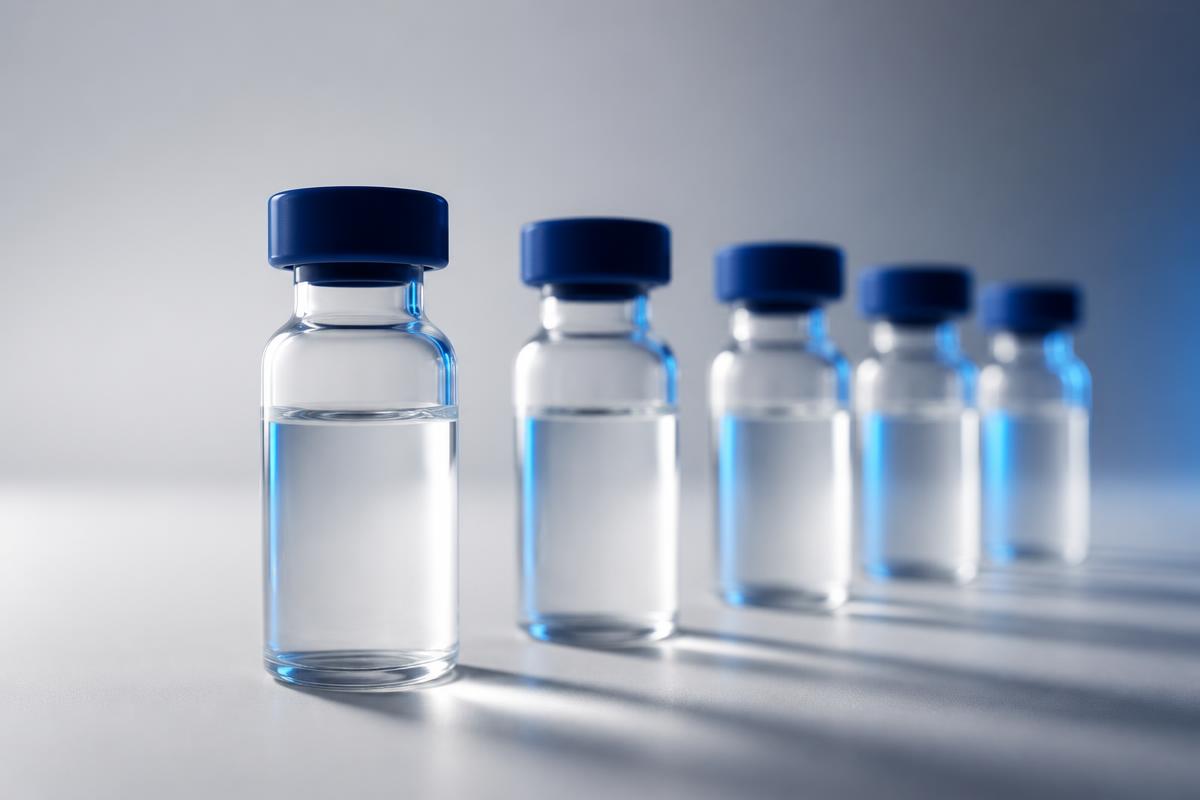
Ipamorelin: Selective GH Signaling in Muscle Repair and Fat Metabolism
A highly selective growth hormone-releasing peptide that stimulates pulsatile GH secretion through the ghrelin receptor without the cortisol, prolactin, or ACTH elevation seen with earlier GHRPs.

NAD+: A Scientific Guide to Nicotinamide Adenine Dinucleotide
NAD+ sits at the intersection of cellular energy metabolism, DNA repair, and sirtuin signaling. This guide covers its biochemistry, in-vitro research applications, and the quality standards that make results reproducible.
Stay Current on Peptide Research
Research updates, compound overviews, and industry literature — delivered monthly. No spam. Research-focused content only.